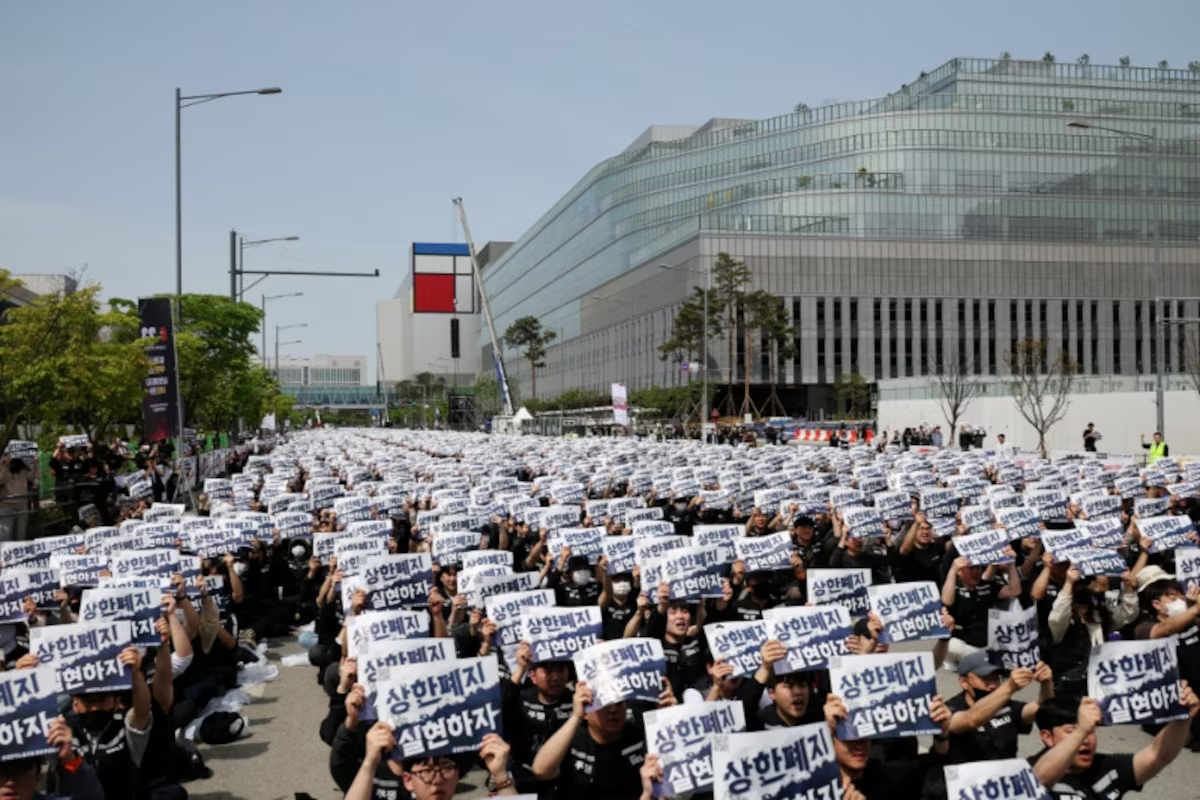
Samsung Electronics is facing one of the biggest labor crises in its history as tensions over AI-driven profits push more than 45,000 workers toward a planned 18-day strike beginning May 21. The dispute has exposed deep divisions inside Samsung’s semiconductor business at a time when the global AI boom has made chipmakers some of the world’s most valuable companies.
The conflict centers on how Samsung distributes the enormous profits generated by artificial intelligence demand. Samsung’s memory-chip division — which produces high-bandwidth memory and other AI-critical components — has benefited heavily from soaring demand from AI data centers and cloud companies. The company reportedly proposed bonus payouts exceeding 600% of annual salary for many memory-chip employees.
However, workers in Samsung’s struggling foundry and logic-chip divisions say they are being unfairly excluded. Those units manufacture advanced AI chips for companies including Nvidia and Tesla, yet their bonus offers were reportedly only around 50% to 100% of salary. Union leaders argue employees working side-by-side should not face such a massive compensation gap.
The dispute has become more dangerous for Samsung because rival SK Hynix has aggressively raised compensation and removed bonus caps, helping it attract top engineering talent during the AI semiconductor boom. Some Samsung employees told Reuters that engineers are already leaving for SK Hynix or transferring internally to Samsung’s memory division.
Analysts warn the strike could severely disrupt global semiconductor supply chains. Investment bank JPMorgan estimated Samsung could lose between 21 trillion and 31 trillion won ($14–21 billion) in operating profit if production is heavily affected. The South Korean government has reportedly expressed concern that a prolonged walkout could damage exports and broader economic growth.
The labor unrest also highlights a strategic problem inside Samsung. Unlike competitors such as TSMC or Micron Technology, Samsung operates a broad “one-stop” semiconductor model combining memory chips, chip design, and foundry manufacturing under one structure. The AI boom has made those divisions dramatically unequal in profitability, creating internal resentment over how rewards are distributed.
Samsung said it regrets the breakdown in negotiations and wants further dialogue with unions to avoid disruption. But union officials say strike plans remain active after government-mediated talks failed earlier this week.
The timing is especially critical because Samsung is trying to strengthen its position in advanced AI chips while competing against SK Hynix and TSMC in the race to dominate the next generation of AI infrastructure.