
Global semiconductor shares recover some losses, but concerns over soaring valuations, massive infrastructure spending and uncertain returns continue to weigh on investor sentiment.
November 8, 2026 | Technology & Financial Markets
Global AI Stocks Stage a Recovery
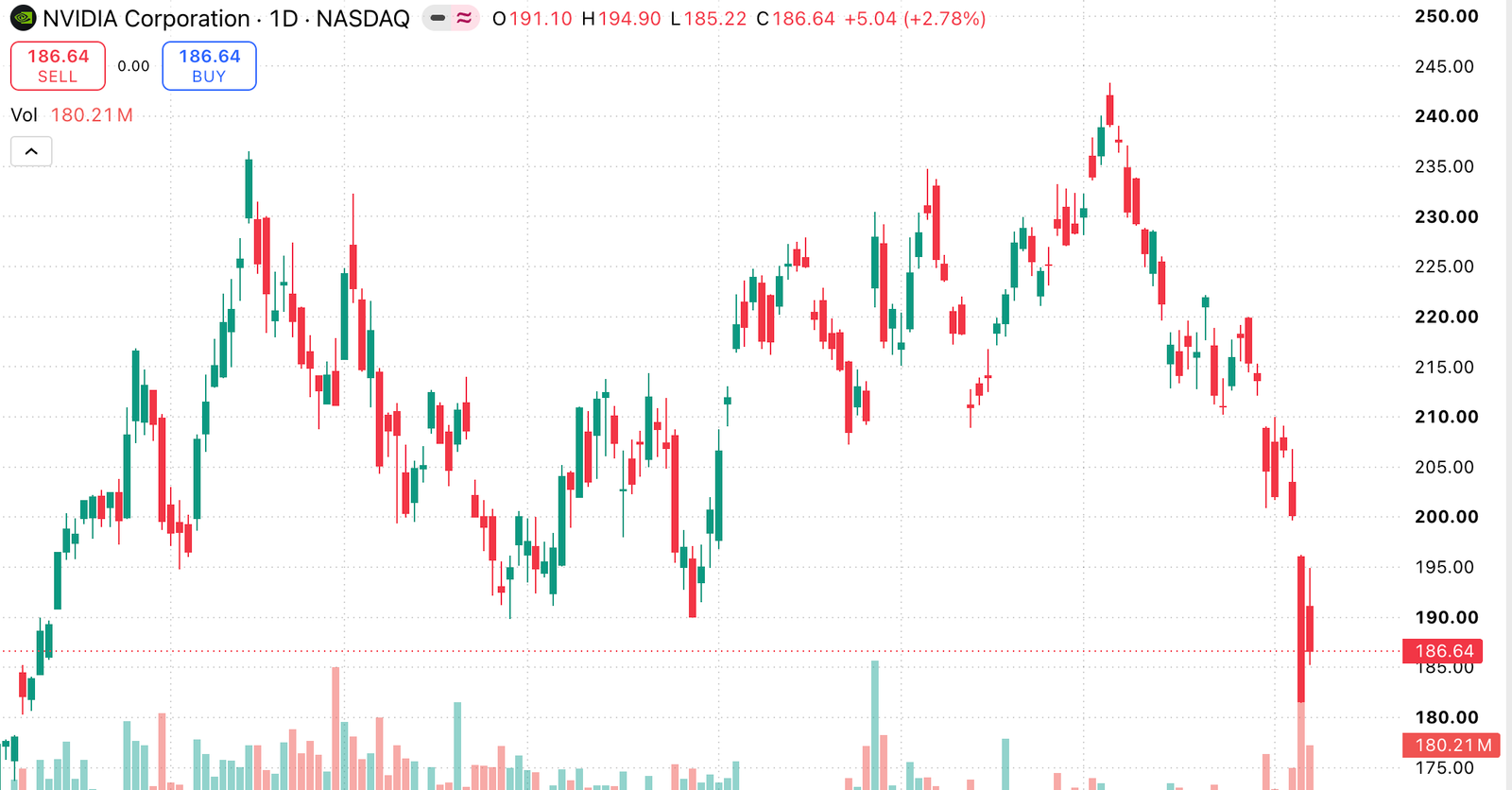
Global semiconductor stocks staged a partial recovery on Friday after a sharp sell-off rattled financial markets, highlighting growing uncertainty surrounding the sustainability of the artificial intelligence investment boom.
Major chipmakers, including Nvidia, Advanced Micro Devices (AMD), Intel and Micron Technology, attracted renewed investor interest following significant losses during the previous trading session. However, the recovery remained limited, with several technology stocks continuing to trade below their recent highs.
The rebound offered temporary relief to investors, but market sentiment remains fragile as concerns intensify over elevated valuations, rising capital expenditure and the long-term profitability of AI-related investments.
The latest market movements have raised a critical question for investors: Is the semiconductor industry experiencing a temporary correction, or are signs of a broader AI market bubble beginning to emerge?
Growing Concerns Over AI Investment
The rapid expansion of artificial intelligence has triggered unprecedented investment in semiconductor manufacturing, cloud computing infrastructure and advanced data centers.
Major technology companies, including Microsoft, Alphabet, Amazon and Meta, have committed substantial financial resources to expanding their AI capabilities.
This investment has significantly benefited semiconductor manufacturers, particularly companies producing graphics processing units (GPUs), high-bandwidth memory and specialized AI processors.
However, investors are increasingly questioning whether the expected financial returns will justify the enormous costs associated with developing and maintaining AI infrastructure.
The concern is that AI-related spending may have expanded faster than the revenue opportunities currently available to support it.
If demand fails to meet expectations, technology companies could reconsider expansion plans, potentially affecting semiconductor orders and future earnings.
Semiconductor Giants Face Increasing Market Pressure
The recent volatility has placed some of the world’s largest chipmakers under renewed scrutiny.
Nvidia remains a central player in the AI semiconductor industry, benefiting from strong demand for its advanced GPUs and data-center products. Nevertheless, its elevated market valuation leaves the stock vulnerable to changes in investor expectations.
Advanced Micro Devices (AMD) is attempting to strengthen its position in the AI accelerator market, competing for a greater share of data-center spending. Its future performance will depend partly on its ability to expand market share and deliver consistent financial growth.
Intel continues to face challenges in improving its competitive position in the semiconductor industry, with investors closely monitoring its manufacturing strategy and financial performance.
Micron Technology remains an important supplier of advanced memory products used in AI infrastructure. However, fluctuations in semiconductor demand and pricing remain important risks.
Broadcom is also benefiting from demand for AI networking equipment and custom-designed semiconductor solutions, although its valuation remains sensitive to broader technology-sector sentiment.
Despite their different business models, these companies are exposed to a common market factor: the pace and sustainability of global AI infrastructure investment.
Is the AI Boom Turning Into a Financial Bubble?
The possibility of an AI investment bubble has become an increasingly important subject of debate among market analysts.
The current AI boom shares certain characteristics with previous periods of speculative technology investment, including rapidly rising valuations, aggressive corporate spending and expectations of extraordinary future growth.
However, there are important differences.
Unlike many speculative technology ventures of the past, several major AI companies already generate substantial revenue from established businesses.
Artificial intelligence is also being integrated into enterprise software, financial services, manufacturing, healthcare research and other industries.
Nevertheless, technological potential does not automatically translate into attractive investment returns.
The central risk is that investors may have already priced in years of future growth. Even if AI adoption continues expanding, semiconductor stocks could experience further corrections if earnings fail to match market expectations.
A distinction must therefore be made between the long-term prospects of artificial intelligence and the short-term valuation of companies operating within the industry.
Data Center Spending Becomes a Key Market Indicator
The expansion of AI data centers has been one of the primary drivers of semiconductor demand.
These facilities require advanced processors, high-performance memory, networking equipment, electricity and sophisticated cooling systems.
As a result, major cloud computing providers have become some of the industry’s most important customers.
However, the scale of infrastructure investment is creating questions about financing, operating costs and future returns.
Rising electricity consumption, construction expenses and financing requirements could affect the profitability of large-scale AI infrastructure projects.
Any slowdown in data-center expansion could have consequences throughout the semiconductor supply chain, particularly for companies heavily dependent on AI-related revenue.
Investors will therefore be monitoring capital expenditure announcements and infrastructure investment plans from major technology companies.
Global Semiconductor Markets Remain Vulnerable
The impact of the technology sell-off extends beyond the United States.
Asian semiconductor markets remain particularly sensitive to changes in global AI demand because of their central role in chip manufacturing and memory production.
Taiwan is home to Taiwan Semiconductor Manufacturing Company (TSMC), a critical manufacturer of advanced processors for global technology companies.
South Korea also plays a major role through semiconductor manufacturers such as Samsung Electronics and SK Hynix, particularly in the memory chip market.
Any sustained reduction in AI infrastructure investment could therefore affect manufacturers, equipment suppliers and technology exporters across the global semiconductor ecosystem.
At the same time, geopolitical tensions, export restrictions and supply-chain vulnerabilities continue to represent additional risks for the industry.
What Investors Should Watch Next
Several developments could determine the direction of semiconductor stocks in the coming weeks and months.
Corporate earnings: Financial results from major chipmakers will help investors assess whether AI demand is translating into sustainable revenue and profit growth.
Capital expenditure: Spending plans from major cloud providers will offer important signals about the future direction of AI infrastructure investment.
Interest rates and financing conditions: Higher borrowing costs could place additional pressure on companies financing large infrastructure projects.
Regulatory developments: Government policies concerning data centers, semiconductor exports and AI infrastructure could influence industry growth.
Market valuations: Investors may increasingly prioritize companies with sustainable earnings, strong cash flows and credible long-term business models over those relying primarily on optimistic growth expectations.
Outlook: AI Growth Remains Intact, but Investor Expectations Are Changing
The recent rebound in semiconductor stocks demonstrates that investor confidence in artificial intelligence has not disappeared. However, the market is becoming increasingly sensitive to the financial realities behind the industry’s rapid expansion.
Artificial intelligence remains a potentially transformative technology, with significant opportunities across computing, automation, robotics, enterprise software and industrial applications.
Yet the long-term success of the industry will depend not only on technological innovation but also on the ability of companies to convert investment into sustainable commercial returns.
For semiconductor manufacturers, the challenge is becoming increasingly clear: maintaining technological leadership while demonstrating that growing AI demand can support current valuations.
The AI revolution may still have considerable room to grow, but investors are beginning to distinguish between companies with sustainable business fundamentals and those whose valuations depend heavily on future expectations.
The latest market correction may therefore represent more than a temporary setback. It could signal a transition toward a more selective phase of AI investment, in which profitability, financial discipline and measurable commercial results become increasingly important.