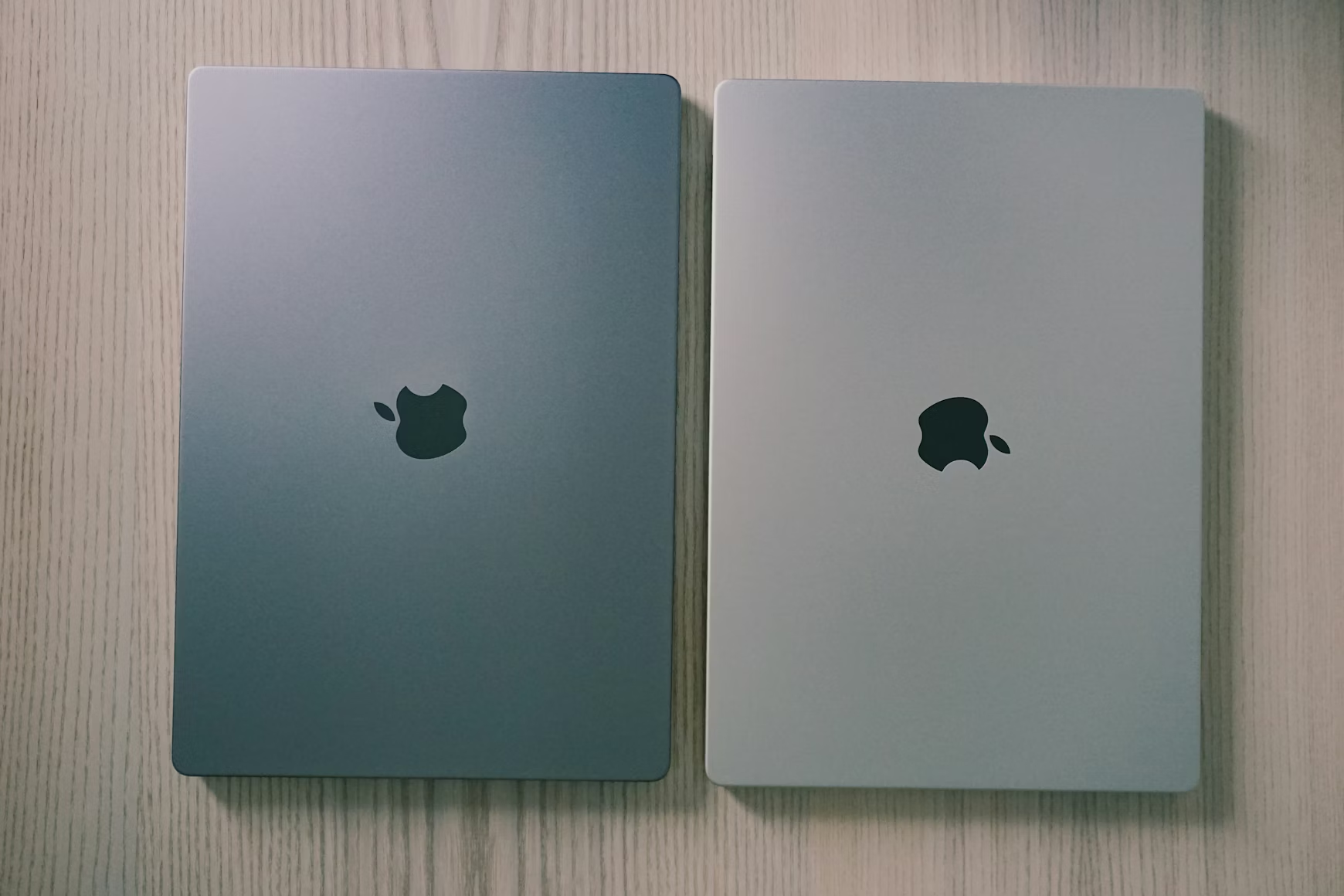
A growing global shortage of memory components is beginning to ripple through the tech industry, with Apple Inc. now facing significant delivery delays for several of its computer models. Customers ordering MacBook and iMac devices are reporting longer-than-usual shipping times, signaling mounting pressure on the company’s supply chain.
At the heart of the issue is a constrained supply of RAM (random access memory), a critical component required for virtually all modern computing devices. Industry analysts point to a combination of factors behind the shortage, including increased global demand for electronics, ongoing supply chain disruptions, and limited production capacity among major semiconductor manufacturers.
Apple, known for its tightly controlled production ecosystem, has not been immune. While the company designs its own chips—such as the widely praised M-series processors—it still relies on third-party suppliers for memory components. Any disruption in this segment can therefore slow down final assembly and distribution.
The delays appear to be most pronounced for custom-configured Macs, particularly those with higher RAM specifications. Customers selecting upgraded memory options are experiencing extended wait times compared to base models, suggesting that premium configurations are being hit hardest by the shortage.
The situation comes at a time when demand for personal computers remains strong, driven by remote work, digital learning, and content creation needs. Apple has seen steady growth in its Mac lineup in recent years, making these delays especially notable for both consumers and investors.
Experts warn that the RAM shortage could persist in the near term if supply does not catch up with demand. Semiconductor production is a complex, capital-intensive process that cannot be ramped up overnight. As a result, companies like Apple may need to adjust production schedules, prioritize certain models, or explore alternative sourcing strategies.
For consumers, the impact is clear: longer wait times and potentially limited availability of certain configurations. For Apple, the challenge will be maintaining customer satisfaction while navigating supply constraints in an increasingly competitive market.
As the global chip landscape continues to evolve, the current disruption serves as another reminder of how interconnected—and fragile—the modern technology supply chain can be.