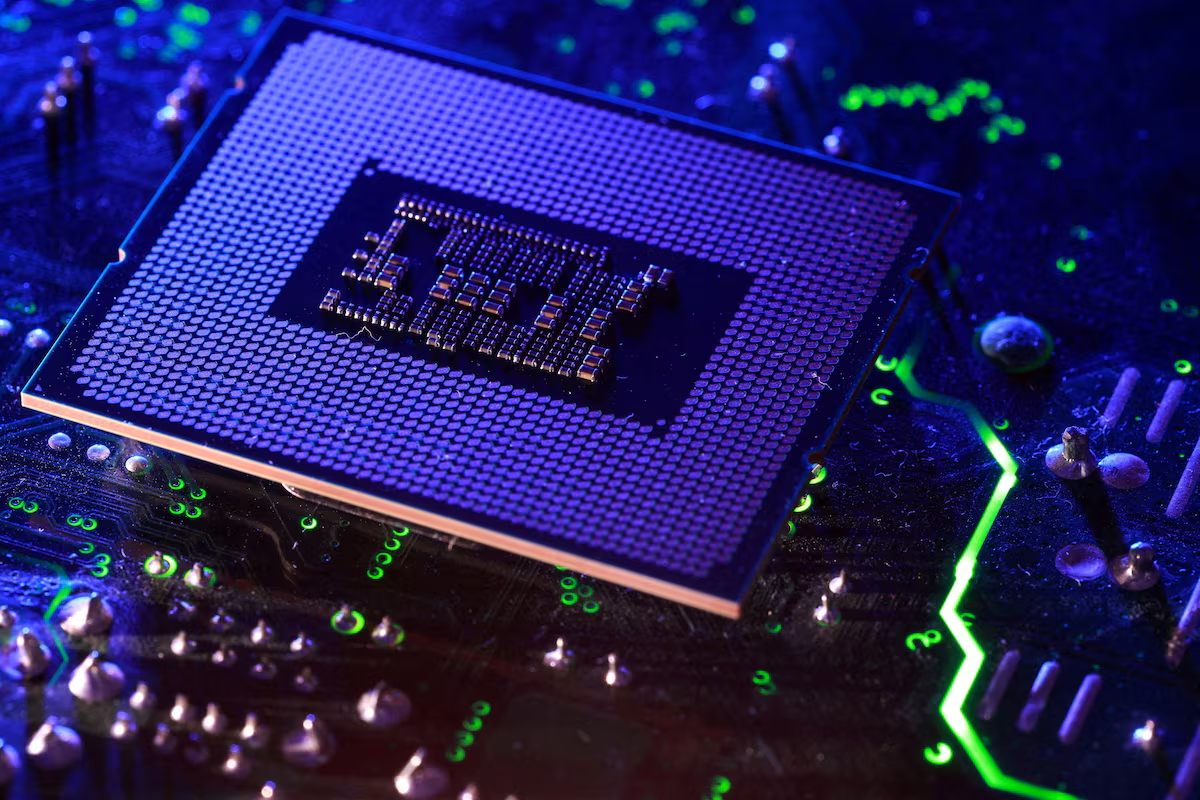
U.S. semiconductor equities climbed to record levels on April 24, 2026, supported by strong momentum in artificial intelligence (AI) demand and a significant upward move in Intel shares following an optimistic business outlook.
Market Catalyst
Intel reported a stronger-than-expected revenue forecast, driven by rising demand for AI-related computing infrastructure. The company highlighted robust growth in data center and enterprise segments, particularly in central processing units (CPUs) supporting AI workloads.
Following the announcement, Intel’s stock surged sharply, surpassing its previous historical peak set during the dot-com era, signaling renewed investor confidence in the company’s turnaround and positioning within the AI ecosystem.
Sector-Wide Impact
The rally extended across the broader semiconductor sector. The Philadelphia Semiconductor Index (SOX) reached an all-time high, continuing a prolonged upward trend fueled by sustained investor interest in AI-driven technologies.
Major chipmakers also recorded notable gains:
- Advanced Micro Devices (AMD) advanced on expectations of continued AI-related demand
- Arm Holdings posted strong gains amid licensing growth
- Nvidia extended its rally, maintaining its leadership position in AI hardware
Role of Artificial Intelligence
Artificial intelligence remains the central driver of growth within the semiconductor industry. Large-scale investments by technology companies in AI infrastructure—including cloud computing and machine learning systems—are significantly increasing demand for high-performance chips.
While graphics processing units (GPUs) initially led the AI expansion, renewed demand for CPUs and complementary technologies is broadening the growth cycle across multiple semiconductor segments.
Outlook and Risks
Despite strong performance, analysts caution that elevated valuations across semiconductor stocks may present risks if growth expectations are not met. Additional concerns include intensifying global competition, potential supply chain constraints, and macroeconomic uncertainties that could affect capital expenditure in the technology sector.