In a bold move to strengthen its position in the rapidly expanding satellite internet market, Amazon has announced a $11.57 billion agreement to acquire satellite communications firm Globalstar. The deal signals Amazon’s growing ambitions in space-based connectivity and sets the stage for intensified competition with SpaceX Starlink, backed by billionaire entrepreneur Elon Musk.
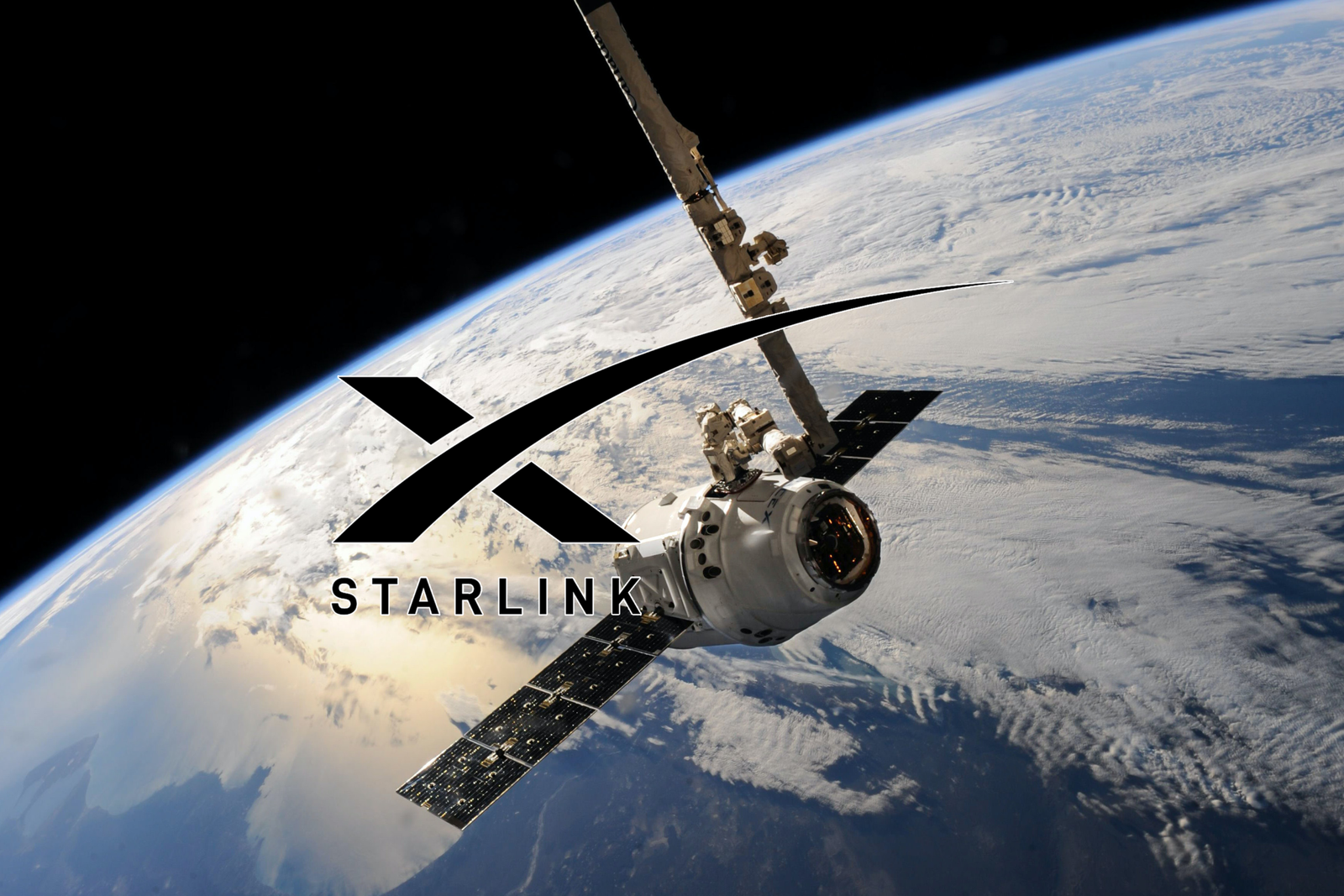
The acquisition is expected to significantly boost Amazon’s Project Kuiper initiative, the company’s ongoing effort to build a global broadband network using low Earth orbit (LEO) satellites. By integrating Globalstar’s existing satellite infrastructure, spectrum licenses, and operational expertise, Amazon aims to accelerate deployment timelines and expand coverage, particularly in underserved and remote regions.
Industry analysts view the move as a strategic shortcut. Instead of building entirely from scratch, Amazon is leveraging Globalstar’s established assets to compete more aggressively with Starlink, which already serves millions of users worldwide and has a substantial head start in satellite launches.
Globalstar, known for its mobile satellite services and partnerships in both commercial and government sectors, brings valuable spectrum rights that are increasingly scarce and highly sought after in the space communications race. These assets could provide Amazon with a critical advantage in scaling its network efficiently.
The deal also reflects the broader trend of tech giants investing heavily in space infrastructure as demand for global, high-speed internet continues to rise. Satellite broadband is seen as a key solution for bridging the digital divide, especially in areas where traditional fiber or cellular networks are impractical.
While regulatory approvals are still pending, both companies have expressed confidence that the transaction will be completed within the next year. If finalized, the acquisition could reshape the competitive landscape of satellite internet, turning it into a high-stakes contest between Amazon and SpaceX.
As the space economy heats up, this deal underscores a clear message: the battle for the skies—and global connectivity—is only just beginning.